
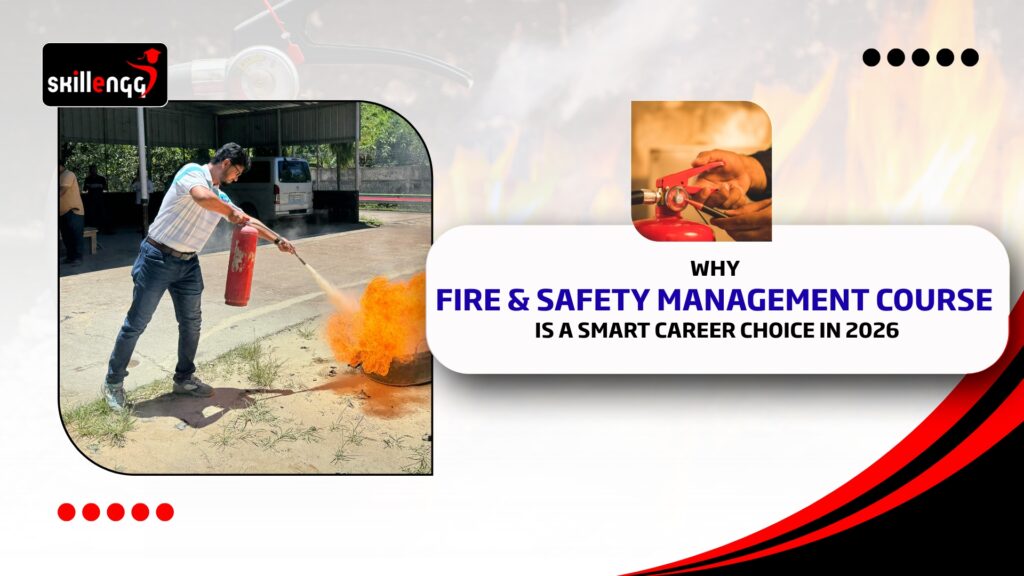
As industries expand and infrastructure projects increase worldwide, safety has become a top priority across all sectors. Governments, corporations, and international organizations are enforcing stricter safety regulations, making qualified safety professionals indispensable. In this evolving environment, choosing a career that offers stability, global relevance, and social responsibility is crucial. This is exactly why enrolling in a Fire & Safety Management Course is considered a smart and future-proof career decision in 2026.
Rising Importance of Safety in Modern Industries
Workplaces today are more complex than ever before. Construction sites, factories, power plants, airports, hospitals, and commercial buildings operate with advanced machinery and large workforces. Even a minor lapse in safety can lead to severe accidents, financial losses, and legal consequences.
As awareness around occupational health and risk prevention grows, organizations are investing heavily in safety systems and skilled professionals. This shift has created consistent demand for individuals trained through a fire and safety course, as companies seek experts who can prevent hazards rather than respond after incidents occur.
Strong Career Demand Across Sectors
One of the main reasons safety management is gaining popularity is its universal relevance. Unlike many careers that are industry-specific, fire and safety professionals are required in almost every sector. From oil and gas projects to IT parks and residential townships, safety officers play a critical role in maintaining compliance and protecting lives.
With increasing automation and high-risk work environments, employers now prioritize candidates with structured safety qualifications. This is where professional fire safety training becomes a strong advantage, as it equips individuals with both theoretical knowledge and practical skills needed for real-world situations.
What Makes Safety Management a Future-Proof Career
The global focus on sustainability and employee welfare has significantly increased the importance of safety management roles. Regulatory bodies conduct frequent audits, inspections, and compliance checks, making safety officers essential for uninterrupted operations.
Unlike many professions affected by automation, safety management relies heavily on human judgment, responsibility, and leadership. Professionals trained through a recognized Fire & Safety Management Course are valued not just for their technical skills, but also for their ability to make quick decisions during emergencies.
Practical Skills That Employers Value
Safety management programs focus on real-world applications rather than theoretical learning alone. Students are trained to identify hazards, assess risks, conduct safety audits, and implement preventive measures. Emergency planning, evacuation procedures, firefighting techniques, and first aid are also key components.
Hands-on exposure gained through a structured fire safety course builds confidence and prepares learners to handle high-pressure situations effectively. This practical approach is one of the biggest reasons employers prefer professionally trained safety personnel over untrained staff.
Career Opportunities After Safety Management Training
Completing a professional safety qualification opens doors to diverse roles. Graduates can work as Fire and Safety Officers, Safety Supervisors, HSE Officers, Risk Assessment Coordinators, or Safety Consultants. Opportunities exist in both government and private sectors, including multinational companies.
Many professionals also pursue international careers, especially in regions where industrial safety standards are strictly enforced. A recognized diploma in fire and safety significantly improves employability and career growth potential in such markets.
Job Stability and Long-Term Growth
One of the strongest advantages of safety-related careers is job stability. While economic fluctuations may affect certain industries, safety roles remain essential regardless of market conditions. Every operational site must comply with safety norms, ensuring consistent demand for trained professionals.
With experience, individuals can move into senior management roles or specialize in niche areas such as industrial safety, disaster management, or environmental health. This growth path makes safety management a long-term and rewarding career choice.
Who Should Consider a Career in Fire and Safety
Safety management is ideal for individuals who are disciplined, alert, and responsible. It suits those who want a career with purpose, where their work directly contributes to saving lives and preventing accidents. Students, diploma holders, graduates, and working professionals can all benefit from enrolling in a structured course for fire safety, especially those seeking a practical and respected profession.
Even individuals from non-technical backgrounds can succeed, as safety programs are designed to build knowledge progressively from fundamentals to advanced concepts.
Why 2026 Is the Right Time to Start
The coming years will see stricter safety laws, rapid urban development, and increased industrial activity. Organizations will continue to prioritize compliance and risk management, making safety professionals more valuable than ever.
By enrolling in a Fire & Safety Management Course now, learners position themselves ahead of this demand curve. Early preparation ensures better job opportunities, faster career progression, and global mobility.
Fire & Safety Management Certification Program by Skillengg
Skillengg’s Fire & Safety Management Course is designed to meet modern industry requirements through a blend of theoretical knowledge and hands-on practical training. The program focuses on real-world safety challenges, compliance standards, and emergency response skills, helping students become job-ready professionals with strong industry relevance.
Conclusion
Safety management is no longer an optional function—it is a critical requirement across industries worldwide. With rising safety awareness, strict regulations, and expanding infrastructure, trained professionals will continue to be in high demand. Choosing a career in safety offers stability, global opportunities, and the satisfaction of protecting lives.
For anyone looking to build a meaningful, future-proof career in 2026, a Fire & Safety Management Course stands out as a smart and strategic choice.


