Smart cities represent the next stage of urban evolution—where infrastructure, technology, and data work together to enhance the quality of life. From intelligent transportation systems to automated security networks and efficient public utilities, every component of a smart city relies heavily on real-time sensing and communication. Among the most innovative technologies powering these systems is the fiber optic sensor, a highly accurate and reliable tool capable of detecting subtle environmental and structural changes. Its integration into smart city systems has transformed how urban areas function, making them safer, smarter, and more sustainable.
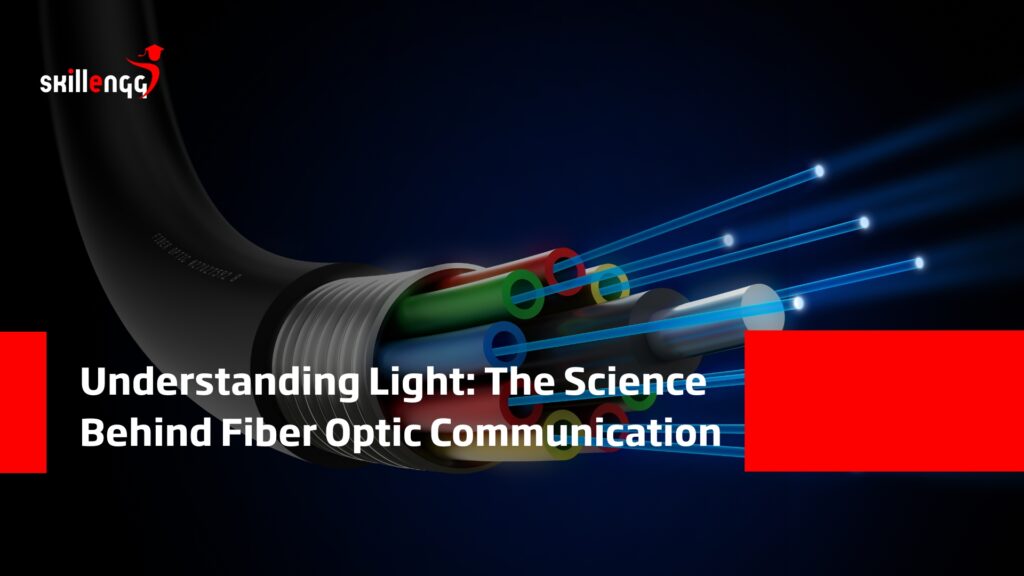
In recent years, cities around the world have adopted advanced monitoring solutions to ensure seamless operations. Traditional electronic sensors, while useful, often fall short in durability, sensitivity, and immunity to environmental factors. This is where the fiber optic sensor stands out. Built using principles of light transmission through optical fibers, it can monitor temperature, pressure, strain, vibration, and chemical presence with remarkable precision. This versatility makes the fiber optic sensor adaptable to numerous real-time applications—from monitoring bridges and tunnels to tracking water pipelines, traffic patterns, and even energy consumption across smart grids.
One of the biggest advantages of optical fiber–based sensing systems is their compatibility with fiber optic communication networks. Since smart cities already rely heavily on high-speed digital data transmission, it becomes easier to integrate sensing systems into the existing telecom infrastructure. With fiber optic communication, large volumes of data collected from various sensors across the city can be transmitted instantly to control centers for analysis. This eliminates delays, enhances decision-making, and improves disaster-response efficiency.
Why Optical Fiber Sensors Are Essential for Smart Cities
Modern smart cities are built on three pillars: safety, efficiency, and sustainability. The fiber optic sensor plays a direct role in all three. For instance, in transportation networks, these sensors can be embedded under roads or railway lines to detect structural stress or unusual vibrations, ensuring preventive maintenance. In environmental monitoring, they help track pollutants, temperature changes, and soil conditions, enabling urban planners to respond intelligently to ecological challenges.
Infrastructure safety is another major area where fiber optics excel. The use of optical fiber cable embedded inside bridges or skyscrapers helps engineers continuously evaluate structural health. With this system, even minor cracks, deformations, or pressure changes can be detected long before they cause damage. This not only saves repair costs but also protects human lives. Similarly, the integration of fiber optic cable in water pipelines provides real-time data about leakages, pressure fluctuations, and water quality, promoting better water management—an essential requirement for any modern city.
The Growing Need for Skilled Fiber Optic Professionals
With increasing adoption of fiber-based systems, the demand for trained technicians is rising rapidly. Maintaining and installing fiber networks requires precision, hands-on skills, and technical understanding. This has led to the popularity of professional training programs such as the optical fiber technician course. Individuals trained through such courses gain expertise in splicing, cabling, equipment handling, and network troubleshooting. As more smart cities adopt sensing technologies, there is a heightened need for professionals who understand the functioning of systems connected with the fiber optic sensor.
These technicians also play a key role in ensuring the smooth functioning of networks that carry data through fiber optic communication systems. Since most urban IoT devices, sensors, and automation technologies depend on continuous connectivity, the reliability of these networks becomes critical. With modern infrastructure containing hundreds of kilometers of optical fiber cable, the installation and maintenance process must be performed with high accuracy. This makes trained professionals indispensable.
Applications of Fiber Optic Sensors in Smart City Infrastructure
The capabilities of the fiber optic sensor extend far beyond basic data collection. In fact, they are central to many mission-critical smart city functions, such as:
1. Smart Transportation Systems
In traffic management, fiber optic sensors are used to detect vehicle movement, road conditions, and congestion patterns. They help authorities adjust traffic signals dynamically, reduce travel time, and enhance road safety. Sensors embedded within road surfaces can also alert maintenance teams to structural weaknesses or potholes before they worsen.
2. Structural Health Monitoring
Large structures—bridges, towers, flyovers, dams, and stadiums—require constant monitoring to ensure long-term stability. With fiber optic cable embedded into the infrastructure, engineers can receive valuable data on strain, stress, vibration, and temperature. The use of optical fiber cable systems in these environments ensures long-term accuracy since the sensors are resistant to corrosion and do not require frequent replacement.
3. Disaster and Emergency Management
Early detection can prevent catastrophic damage during natural disasters. Fiber optic sensors are highly sensitive to shifts in the earth’s crust, making them useful in earthquake-prone regions. They can detect abnormal ground vibrations, soil movement, and temperature spikes, offering crucial early warnings.
4. Water and Waste Management
Rapid leak detection inside water pipelines is one of the biggest challenges faced by urban planners. With fiber optics, even the slightest pressure change can be detected, helping to identify leak points quickly. Similarly, smart sewage systems can use sensors to detect blockages, excessive flow, or contamination.
5. Smart Energy Systems
With cities moving toward renewable energy and smart grids, monitoring energy flow is essential. Fiber optic sensors help detect overheating, pressure irregularities, and voltage fluctuations, ensuring a stable power supply.
Training Future Professionals: The Need for Education & Skill Development
The expansion of fiber-based technology demands a workforce proficient in installation, maintenance, and advanced diagnostics. The optical fiber technician course equips learners with practical skills such as cable laying, OTDR testing, fiber splicing, connectorization, and network troubleshooting. With smart cities increasingly adopting sensor-based systems, technicians must understand how a fiber optic sensor integrates with communication networks.
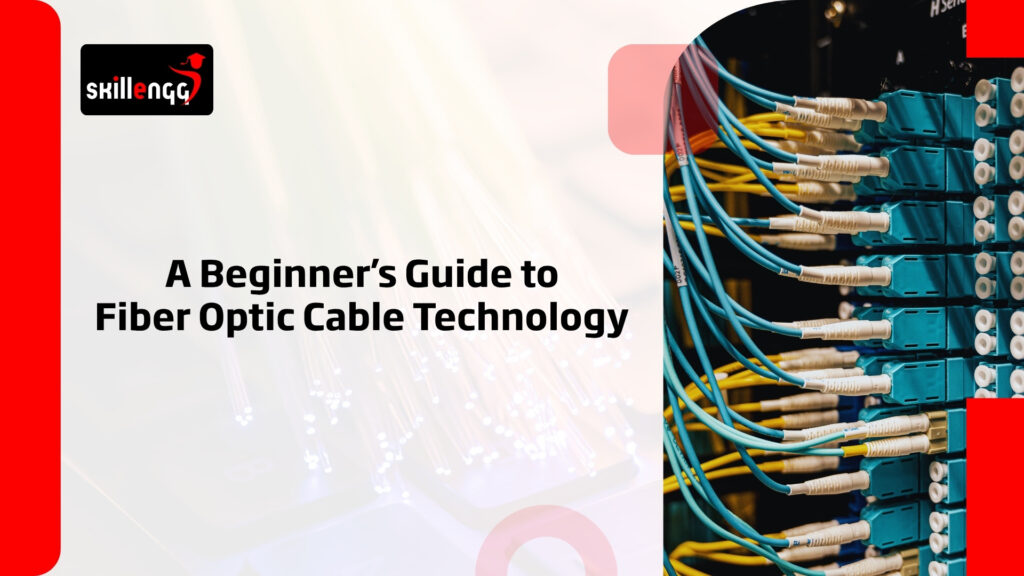
Similarly, with the rapid deployment of fiber optic communication systems globally, this training becomes even more valuable. It not only opens doors to high-demand jobs but also strengthens the foundation of smart city development. A deep understanding of optical fiber cable and fiber optic cable technology is essential for anyone looking to build a career in telecom, IoT, or smart infrastructure.
Optical Fiber Technician Course
Skillengg offers a comprehensive and industry-focused optical fiber technician course designed to prepare learners for real-world technical careers. The program emphasizes hands-on experience with fiber splicing, OTDR testing, network setup, and advanced troubleshooting techniques. With expert trainers and practical lab sessions, Skillengg ensures that students gain strong foundational knowledge and job-ready skills. The course is ideal for anyone aspiring to work in telecom networks, smart city infrastructure, broadband services, and IoT-driven industries.
Conclusion
The rise of smart cities has made advanced sensing and communication technologies more important than ever, and the fiber optic sensor stands at the center of this transformation. Its accuracy, durability, and ability to integrate seamlessly with modern digital networks make it an essential tool for building safer, more sustainable urban environments. From transportation and infrastructure monitoring to water management and disaster preparedness, fiber-based sensing systems are reshaping how cities operate. As the demand for skilled professionals continues to grow, training through programs like an optical fiber technician course ensures that future technicians are equipped to support and expand these technologies. With reliable fiber optic communication networks and widespread use of optical fiber cable and fiber optic cable, the foundation for smarter, more connected cities is already in motion—driven by innovation, efficiency, and the limitless potential of fiber-optic sensing.